About Us
The complete journey of Elbows Up – from hockey rinks to national identity, from one man’s stance to a community’s movement.
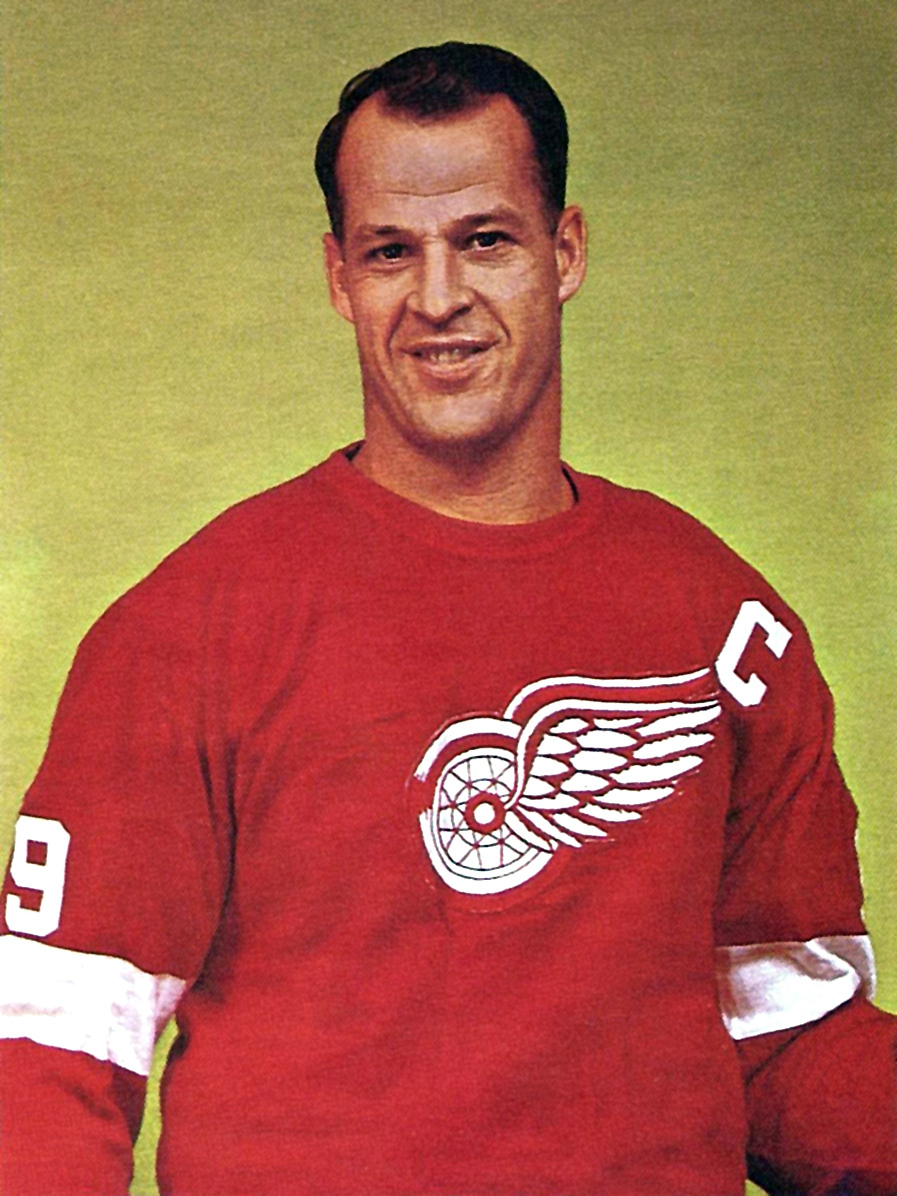
Where It All Began: The Elbows of Gordie Howe
In the 1950s, Canadian hockey star Gordie Howe, famously known as “Mr. Hockey,” developed a reputation for playing hard but fair. His signature defensive move — raising his elbows to protect himself from checks — soon became a legendary tactic in the hockey world.
To Canadians, this wasn’t just a move. It was a symbol of protection, grit, and resilience. Howe himself once said: “If a guy slashed me, I’d grab his jersey, pull him alongside me, and elbow him in the head.” This tough-love approach embodied Canada’s identity: polite and respectful, yet firm and unyielding when pushed.
“Elbows Up” became the quiet phrase shared in locker rooms, backyards, and community hockey arenas. It was a reminder: be ready, stay strong, never back down.
A Journey Through Time
1950s – The Birth of the Phrase
In the golden age of Canadian hockey, “Elbows Up” was a survival tactic. Young players learned it as part of the culture of resilience on the rink.
1980s – Beyond the Rink
The phrase started appearing in Canadian households, schools, and even politics. It became shorthand for determination: facing challenges head-on with pride and courage.
2000s – Pop Culture Awakens
Musicians, comedians, and actors began referencing “Elbows Up” in media. The phrase appeared on shirts, in interviews, and in small grassroots movements.
2025 – A National Rallying Cry
Amid political tensions, Canadians united behind “Elbows Up” as a call for unity, sovereignty, and cultural pride. It transcended sports and became part of the national identity.
From Sports to Society
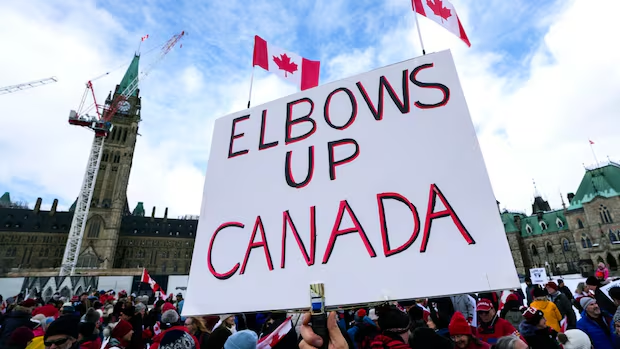
By 2025, “Elbows Up” evolved into more than just a sports tactic — it became a cultural rallying cry. When Canadians faced economic pressures and debates over sovereignty, the phrase rose as a unifying call: protect our people, defend our values, stay strong together.
From Parliament Hill rallies to TikTok hashtags, Canadians of all ages began embracing it as a declaration of identity. School teachers used it in pep talks. Families quoted it at the dinner table. Activists painted it on banners. It spread like wildfire.
Elbows Up in Media
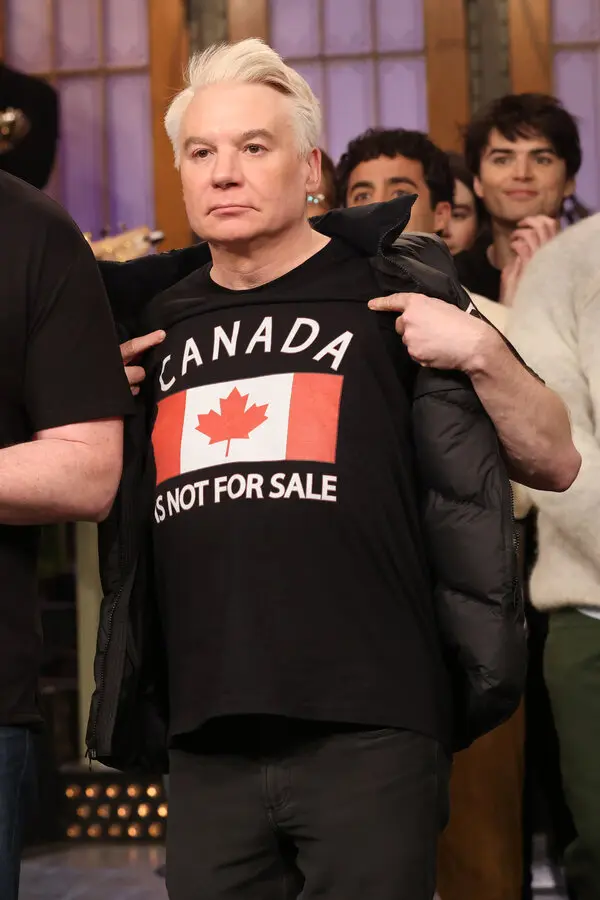
In a surprising twist, Mike Myers reignited global interest when he mouthed “Elbows Up” during a Saturday Night Live skit, wearing a shirt with the words “Canada Is Not For Sale.”
The moment went viral overnight. Within 24 hours, the phrase had trended worldwide, with millions of shares on Instagram, Twitter, and TikTok. It wasn’t just about comedy anymore — it was about national identity.
Even politicians joined in. Former Prime Minister Justin Trudeau ended one of his speeches by declaring: “We are polite, we are fair, but when pushed, we will stand tall. Elbows up!”
Culture, Community, and Everyday Life
Today, “Elbows Up” isn’t limited to sports or politics. It is stitched into the fabric of Canadian culture. You can see it in:
- Sports: Fans raise their arms in stadiums and chant the phrase.
- Education: Teachers use it to motivate students during exams and competitions.
- Community Work: Volunteers adopt it as a slogan to face social challenges.
- Fashion: The phrase appears on shirts, hoodies, and accessories as a badge of identity.
- Digital Media: Memes, hashtags, and reels keep it alive among the youth.
It has become a universal symbol of resilience, used from hockey rinks to community centers, from online campaigns to music festivals.
Beyond Canada: Global Awareness
Though born in Canada, “Elbows Up” has captured international curiosity. Sports writers in the U.S., Europe, and Asia wrote articles about its rise. Cultural critics analyzed it as a rare example of sports language becoming national rhetoric.
In a way, it has become a gift from Canada to the world: a reminder that communities everywhere can defend their values with pride, unity, and strength.
Looking Ahead
The journey of “Elbows Up” is far from over. As Canada faces new challenges — climate change, global politics, and cultural shifts — the phrase continues to evolve. It inspires the younger generation to stand tall, adapt, and defend the Canadian way of life.
“Elbows Up” reminds us that our story is not just about where we came from, but also where we are going. It’s a call for every Canadian: be ready, be strong, be united.
The Legacy We Carry
From Gordie Howe’s hockey rink to the grand stage of national politics, the legacy of “Elbows Up” continues to inspire. It belongs to every Canadian — young and old, east and west, rural and urban.
It is more than a phrase. It is a story, a shield, a battle cry, and a proud reminder that Canada will always stand with strength, dignity, and resilience.
Elbows Up. Always.